The HVAC industry is no stranger to regulation. But with the AIM Act accelerating the phasedown of high-GWP refrigerants, HVAC manufacturers face one of the most transformative shifts ever. Whether you’re ready or not, the phaseout is happening, and the window to prepare is closing fast.
This guide breaks down what every HVAC manufacturer must know before the phaseout, the risks of inaction, and why proactive action is critical.
What’s Being Phased Out and Why It Matters
According to the AIM Act, U.S. production and consumption of high-GWP HFCs must drop 85% below baseline levels by 2036. The phasedown began in 2022 and reaches key thresholds in 2024 with steep reductions slated for 2025 and beyond.
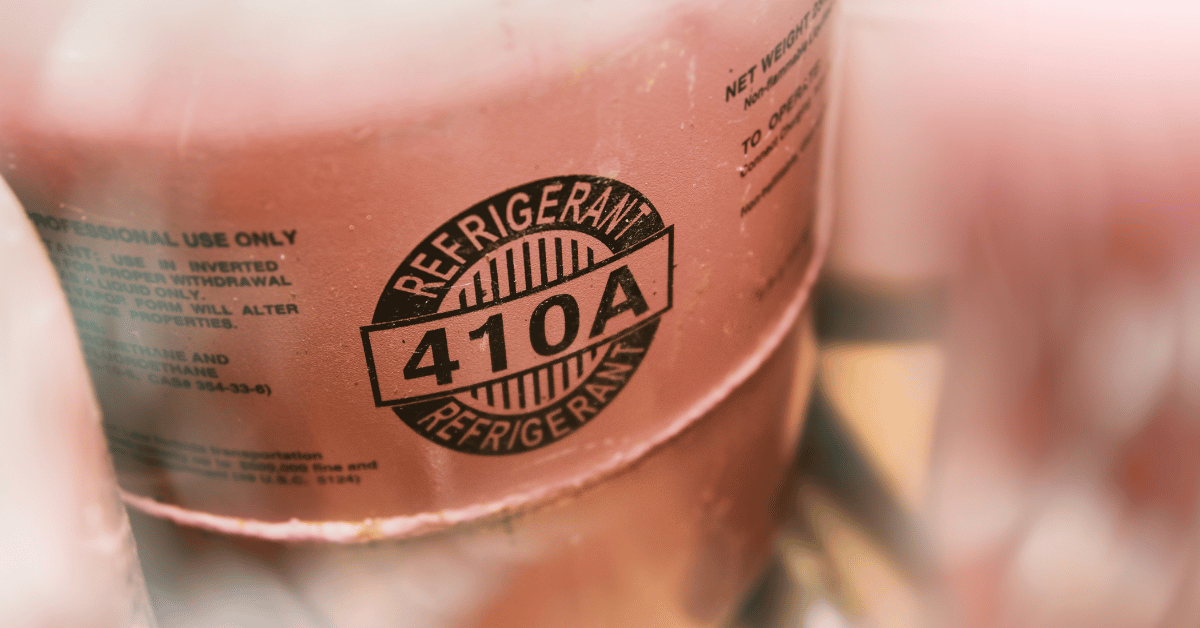
By 2025, restrictions kick in for high‑GWP refrigerants used in residential and light commercial A/C, including R‑410A. Globally, HUD systems that depend on R‑410A (one of the most common residential refrigerants) are being replaced with lower-GWP alternatives like R‑32 and R‑454B.
Bottom line: If your systems still rely on R‑410A or other high‑GWP HFCs, you’re headed for compliance risk and market obsolescence.
The Hidden Costs of Doing Nothing
Some manufacturers have started adapting. Others are taking a wait-and-see approach…at significant risk.
Inventory Risk: As allowable HFC consumption falls to ~60% of historical highs in 2024, unsold R‑410A units will become stranded, tying up capital and warehouse space.
Market Irrelevance: Distributors and installers want compliant systems backed by training and support. If you don’t offer future-ready products, they’ll switch.
Brand Damage: Falling behind on sustainability can strain partner relationships, hurt recruitment, and impact your reputation with environmentally-focused consumers and investors.
Five Steps HVAC Manufacturers Must Take
1. Audit your SKUs and inventory.
Conduct a full SKU audit tied to high‑GWP refrigerants. Flag legacy units with high stock or slow turnover. Use sales analytics to predict when inventory becomes a liability and inform channel partners before excess order.
2. Develop a transition blueprint.
Accelerate R&D on low-GWP products. Secure supply chains for R‑32 or R‑454B. Plan for EPA approval and production ramp-up ahead of key milestones. Early adoption means smoother transitions and better visibility.
3. Empower the channel with clear communication.
Your distributors, reps, and installers need proactive guidance. Create toolkits that outline:
- Products being phased out and when
- Timeline for compliant product releases
- Details on training, support, and certification
- Incentives or promotions for moving older inventory
Transparency now builds trust and keeps partners loyal during change.
4. Use smart incentives to sell through legacy product.
Discounts damage margins. Instead, use strategic channel incentives such as:
- Time-limited SPIFFs for movement of legacy models
- Bundle offers tied to less desirable SKUs
- Points-based rewards for dealers
- Mobile tools that make rebate claims easy
That way, you clear stock without eroding your brand.
5. Train your partners thoroughly.
New refrigerants mean new installation and servicing protocols. Offer:
- Structured certifications or training modules
- In-person and virtual workshops
- Incentives to encourage completion
Well-trained partners are more confident—which means fewer call-backs, better installs, and happier end-users.
The Opportunity Within the Disruption
The phaseout isn’t just a compliance hurdle—it’s a chance to rethink your brand and channel strategy:
- Modernize Your Products: Refresh your lineup and position yourself as a forward-thinking player.
- Deepen Channel Loyalty: Proactive communication and support turn partners into advocates.
- Earn Sustainability Credibility: Stand out with climate-friendly solutions and better ESG alignment.
- Protect Margin: Smart incentives allow you to liquidate old stock profitably.
What About Reclamation and Leak Management?
Stranded refrigerants are also an environmental and regulatory concern. The AIM Act includes new rules for reclaiming and destroying HFCs. Build partnerships with recovery services, promote proper cylinder handling, and support partners with compliant disposal options. That saves money, avoids penalties—and positions you as an industry leader.
Final Takeaway
Regulatory change is inevitable. But how you respond defines your future. By auditing stock, launching compliant products, activating your channel, incentivizing smart behaviors, and training partners, you transform disruption into opportunity.
Need help offloading legacy inventory?
Looking to integrate channel incentives into your transition strategy?
Our unified platform, strategic expertise, and channel incentive programs can help you lead the phaseout, in compliance and with profit.