Many manufacturers or distributors have a dark secret: their “partner platform” is actually a mess of disconnected tools, portals, spreadsheets, and one-off programs. Marketing lives in one system. Incentive and loyalty programs live in another. Sales data is buried in a CRM they don’t fully trust. Partners have three different logins and still can’t find the campaigns and sales promotions they’re supposed to engage with.
If any of that sounds like you, this probably does too: you’re under pressure to prove ROI, keep partners loyal, and do more with less. Every quarter you’re stitching together screenshots, CSVs, and anecdotes just to answer simple questions like: “Which campaigns drove revenue? Which partners moved the needle? Which incentives were worth what we spent?”
Eventually, you reach a point where adding yet another tool won’t help. Future-proof distribution channels aren’t built on patchwork. They run on a single channel platform where partners can launch marketing, earn rewards, and track progress in one place. Your team can see the full picture from campaign to claim to closed sale.
79% of manufacturers say that providing a single source of truth across the customer lifecycle is a critical or high priority over the next two years.
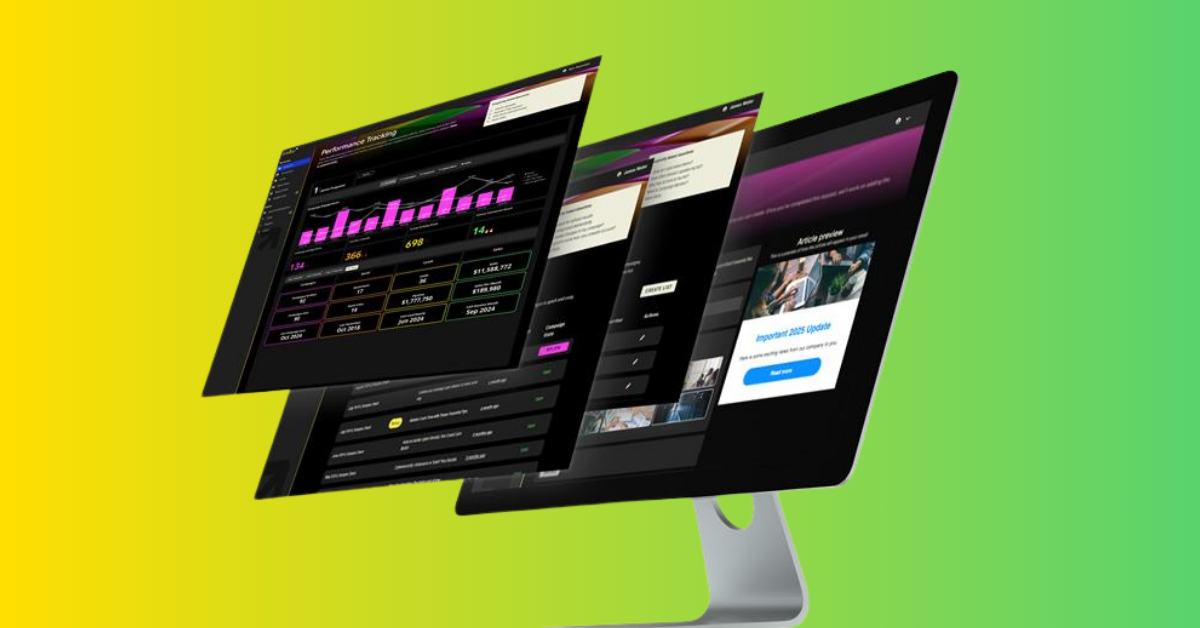
That’s what Extu’s Partner Experience Platform is designed to do: one environment for channel marketing, incentives, and data, so you can finally stop guessing and start managing your channel like the growth engine it’s supposed to be.
Why You Need a Unified Channel Partner Platform
Most channel problems, at first, seem to be partner apathy, low program adoption, or weak ROI. But underneath those symptoms, there’s usually the same root cause: your channel is running on a patchwork of tools that were never designed to work together.
Marketing has one platform for email and content. Incentives live in a separate portal. Sales data is in the CRM. Reporting is in spreadsheets or BI dashboards nobody has time to maintain. Partners have different logins for each program and no single place to see what’s available to them.
From the inside, it feels normal because it’s what you’ve always done. From the outside, it’s a series of challenges felt by both your partners and your internal teams:
Partners
- Don’t know where to go to find campaigns, assets, or offers
- Jump between portals to run marketing, submit claims, and check rewards
- Have confusing, inconsistent experiences depending on which program they’re in
- Give up because it’s easier to sell a competitor’s product than figure out yours
Internal teams
- Manually export and merge data from multiple systems just to answer basic performance questions
- Argue over whose numbers are “right” because nothing lines up cleanly
- Run campaigns and incentives as totally separate efforts, even when they’re aimed at the same partners
- Spend more time administering tools than actually improving the programs that run on them
This fragmentation slows you down and stops you from seeing the full picture. When marketing, incentives, and sales data live in different systems:
Attribution is guesswork. You can’t clearly connect specific campaigns or offers to closed revenue.
Data quality tanks. You end up with duplicates, mismatched records, and incomplete profiles because every system stores its own version of the truth.
Reporting hurts. Every quarterly review turns into a forensic exercise instead of a straightforward story about what worked and what didn’t.
Strategy stays stuck at surface-level. Without clear feedback loops, you can’t confidently adjust product focus, partner tiers, or incentive rules based on real results.
A unified channel partner platform changes that.
What a Partner Experience Platform Actually Is
So how do you start fixing a patched-together channel partner experience? You can’t just unplug everything and tell people, “Use only what you need.” Every team, every partner, every workflow is tied into something else. If you rip out half the stack overnight, you don’t get efficiency, you get chaos.
A more realistic path is to replace the systems that make the most sense to live together: the tools that drive partner marketing, incentive programs, and sales and marketing performance data. Those three are already tightly connected in how your channel should work, so they’re the best place to start unifying your stack.
It also makes business sense:
Sales and marketing can finally align. Sales and marketing spend too much time pointing fingers when revenue goals are missed. If both teams rely on the same system and the same reliable data, it’s a lot easier to get on the same page, celebrate joint wins, and quickly see what needs to change.
The experience with your brand is more cohesive and coherent. Buyers and partners are making more decisions with less direct interaction with salespeople. That means partners and potential partners need a clear, trackable journey to understand who your brand is, what you offer, and why you’re worth their time.
Marketing and incentives already go hand in hand. Incentives are a type of marketing designed to influence behavior and drive revenue. The most effective programs use rewards to boost participation in marketing and data-sharing: partners can earn points for forwarding an email, filling out a survey, submitting warranty registrations, or uploading receipts/invoices as proof of sales for promotions.
Extu’s Partner Experience Platform is built around the idea that one system should combine partner marketing, incentives, and performance data so everything works together instead of in silos. It’s a practical way to start repairing a broken, patchwork channel. You connect the pieces that should have been connected all along—marketing, incentives, and data—and give both your partners and your internal teams a single, clear place to work from.
Let’s look closer at each component of the platform does.
Partner Marketing
Instead of asking partners to be marketers, the Partner Experience Platform gives them a simple place to turn on campaigns and see results, while you get clean, connected data behind the scenes.
Monthly, Ready-to-Run Campaigns
- Full campaigns provided: Partners receive complete campaigns built by Extu’s channel experts—emails, landing pages, and social posts—already loaded in the platform.
- Co-branding once, used everywhere: Partners add their logo and details once; the system applies that branding across all campaign assets.
- No extra tools required: They don’t need a separate email platform, landing page tool, or social scheduler—the Partner Experience Platform handles delivery.
Result: Partners “send marketing” without building anything from scratch. You get consistent messaging and a reliable stream of engagement data across the channel.
One Hub for Campaigns and Content
- Campaign reports: Partners see their 10 most recent campaigns with send dates and subject lines and can drill into each one for more detail.
- Central content library: Product sheets, promos, surveys, eBooks, and infographics live in one place, with usage tracking tied back to each partner.
- Omnichannel coordination: Email and social assets are bundled together, so partners promote the same theme across channels without having to stitch it together.
Result: No more scavenger hunt for assets. Every campaign and content piece is managed and tracked from the same hub.
Built-In List Management & Audience Insights
- Subscribers:
- Show subscriber domains and most-active audiences by opens and clicks.
- Let partners segment by role, company size, and sector.
- List management:
- Create, edit, and delete subscriber lists.
- Add individual subscribers or import CSVs.
- See statuses (Active, Unsubscribed, Bounced, Deleted) and latest email client.
Result: Partners manage their audience where they run campaigns, and you see accurate, up-to-date audience data instead of scattered spreadsheets.
Lead Capture and Follow-Up in One Place
- Partners’ Leads:
- Partners see leads generated by campaigns with company, contact, email, lead type, score, and status.
- They can search, filter, and make basic edits.
- Clicking into a lead shows full opportunity details and form responses.
- Exportable data: All lead details can be exported, so partners can push qualified leads into their CRM if they want more advanced workflows.
Result: Leads aren’t trapped in someone’s inbox. They’re visible, trackable, and tied back to the campaign that generated them.
Analytics, Deliverability, and Sales Attribution in One View
Once campaigns are running, you need three things to manage them intelligently: reliable performance analytics, strong deliverability, and a clear link to sales. The Partner Experience Platform handles all three in the same connected stack.
- Real-time campaign and content analytics (Marketing > Analytics):
- See historical reach, open rate, click rate, and click-to-open rate with dynamic charts, so you can see trends over time.
- Drill into individual campaigns with time-series metrics for opens, clicks, bounces, and social activity.
- See your most-clicked content types (product promos, surveys, eBooks, infographics) and top-performing individual assets.
- Tie reported sales back to campaigns and time windows, giving you more than just engagement—it shows which efforts influence revenue.
- Email authentication and deliverability
- Partners get three guided setup paths—External Setup, Guided Setup, and Simple Setup—so they can configure SPF, DKIM, and DMARC without deep technical knowledge.
- The platform performs real-time DNS checks and flags missing or incorrect records, helping keep bounces low and inbox placement high.
- Closed-loop sales attribution
- Partners upload invoices or receipts and answer a few attribution questions in the same platform.
- Those submissions feed into the shared data layer, so reported sales can be connected back to the campaigns and timeframes that drove them.
Results: You’re not guessing why a campaign worked—or assuming it failed because of bad content when the real issue was deliverability or lack of follow-up. You see engagement, inbox health, and invoiced sales all in one system, giving you a clear, defensible view of which partner marketing activities actually move revenue.
Incentives
In a lot of channels, incentives are an afterthought: run in a separate portal, reconciled in spreadsheets, and judged mainly by “did people like it?” Instead, they should be tightly wired into your marketing and sales data so you can use them to steer behavior and prove impact.
The Partner Experience Platform builds incentives into the same environment where partners run campaigns and report sales. Rewards become part of a system, not a side project.
Run Promotions in the Same Place Partners Run Marketing
The Partner Experience Platform allows partners see all active promotions right alongside their marketing tools. Each promotion clearly spells out:
- What to do (e.g., send bonus campaigns, report eligible closed sales, update subscriber lists).
- How points are earned (monthly point values for each action).
- When it counts (start/end dates and any thresholds).
Because promotions are defined in the same platform as your campaigns and sales reporting, you can:
- Tie incentives directly to specific marketing actions (e.g., send this EV email campaign and earn 2× points).
- Push time-bound offers that align with product launches or seasonal pushes.
- Keep rules consistent and visible instead of hiding them in PDFs or email threads.
Partners don’t have to remember another URL or log in somewhere else. The same place they go to send marketing is where they see how to earn rewards.
Automate Earning and Payouts Instead of Reconciling by Hand
Once promotions are set up, the platform does the heavy lifting:
- Automatic point calculation: Points accrue automatically based on the actions partners take—submitting claims, reporting sales, completing defined activities—using the rules you’ve set.
- Monthly awarding: At the end of the period, the system awards points without manual reconciliation, drastically cutting down on admin time and errors.
- Claims History: Every transaction (claim, approval, payout) is logged and visible to both partners and program managers, making audits and dispute resolution straightforward.
This turns what used to be an accounting headache into a predictable, repeatable process. Because it’s all in one system, the earning data feeds the same analytics layer as marketing and sales.
Reward the Behaviors That Move the Whole Channel Forward
Because incentives are native to the platform, you’re not limited to “sell X, get Y.” You can design promotions that push the full set of behaviors your channel needs:
- Marketing behaviors:
- Sending bonus campaigns or featuring a strategic product line.
- Updating subscriber lists to improve reach and data quality.
- Sales and reporting behaviors:
- Uploading invoices and receipts via Report Sales so you can tie incentives to verified revenue.
- Submitting warranty registrations that give you better end-customer insight.
- Enablement and readiness behaviors:
- Completing trainings, passing quizzes, or earning install certifications linked to new products.
All of this is tracked and rewarded inside one platform. That means every rewarded action also enriches your data: more complete customer profiles, better attribution, and clearer visibility into which partners are really invested.
Make Rewards Worth Earning (Without Making Redemption Hard)
The Partner Experience Platform acts as an integrated rewards catalog where eligible participants redeem their points:
- No extra accounts: Anyone who’s eligible for your program is automatically recognized with no separate sign-up needed.
- Per-program catalogs: You can tailor reward options by program, region, or audience while keeping everything under the same roof.
- Simple e-commerce experience: Participants browse, add to cart, and check out like they would on any shopping site; the platform confirms orders and tracks redemptions automatically.
Because this sits on the same system as promotions and claims, you get a clean view of:
- Points earned vs. redeemed.
- Which partners are most engaged.
- Which programs are funding high-value, memorable rewards vs. low-impact spend.
Partners get an easy, “consumer-grade” experience. You get a reward engine that’s measurable and sustainable.
See Incentive ROI Next to Marketing and Sales
The real power of having incentives in the Partner Experience Platform is what it does for your reporting:
- Promotions, claims, and redemptions are all tied to partner records, campaigns, and reported sales.
- You can see which promotions drove incremental volume, margin, or product mix improvements—not just participation.
- Over time, you can compare promotions by cost-per-result, partner engagement, and impact on pipeline.
Instead of a vague line item called “channel incentives,” you have a set of programs you can evaluate like any other investment: some to scale, some to tweak, and some to sunset.
When incentives live in the same place as marketing and data, they stop being a scattered expense and become a strategic lever. You’re not just handing out rewards—you’re using them to guide behavior, strengthen partner relationships, and generate results you can actually see on a dashboard.
In Closing: No More Duct-Taping Your Channel Together
If what you call a “partner platform” is really a semi-connected mess of portals, spreadsheets, and one-off tools, then partners most likely can’t find what they need, your team can’t connect campaigns to revenue, and every ROI conversation turns into a spreadsheet scavenger hunt.
The fix isn’t “one more tool.” It’s a unified environment where partner marketing, incentives, and performance data live together. Partners can launch campaigns, earn rewards, and track progress in the same place, while you can finally see what’s working from campaign to claim to closed sale.
If you’re ready to increase program adoption without adding admin work and reward behaviors that move revenue, and measure ROI painlessly, then it’s time to see what a unified Partner Experience Platform looks like in practice.