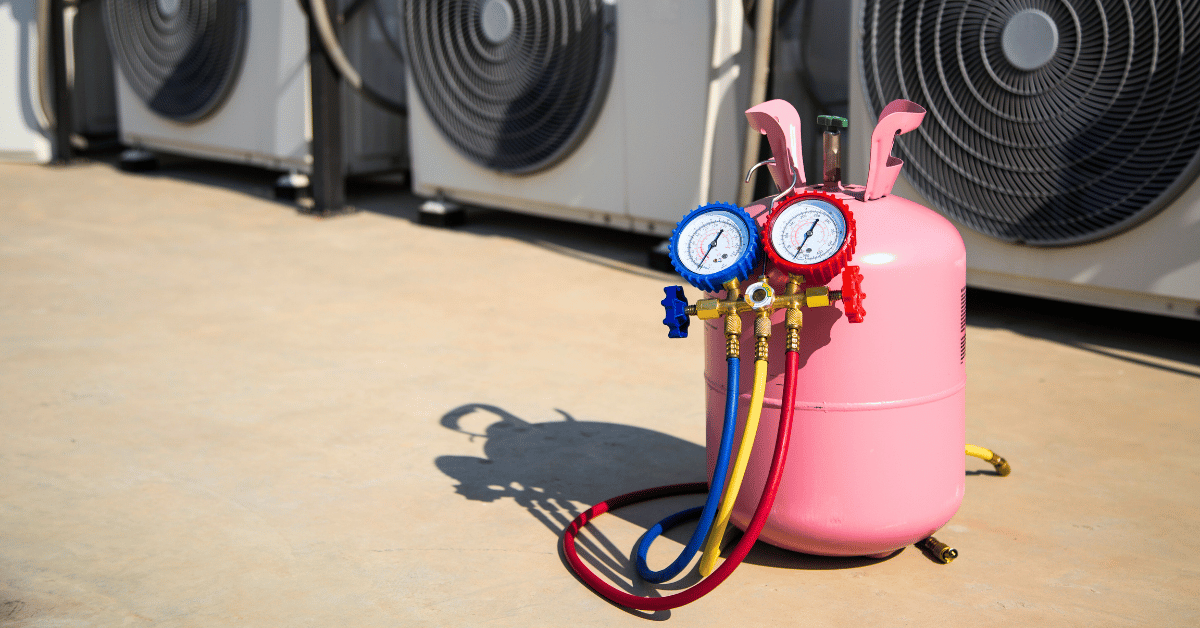
The HVAC industry is on the clock to adopt low GWP refrigerants. Under EPA’s Technology Transitions rules, most new stationary residential and light-commercial air conditioning and heat pump systems must use low global warming potential (GWP) refrigerants, ie. refrigerants with a GWP below 700. Companies can’t manufacture or import most new equipment using refrigerants with +700 GWP as of January 1, 2025, and new systems using these higher-GWP refrigerants may only be installed until January 1, 2026, if all components were manufactured or imported before January 1, 2025.
For most of the market, that January 1, 2026 installation compliance date is the real deadline for new high GWP systems. There are carve-outs, most notably for variable refrigerant flow (VRF) systems, which can be installed until January 1, 2027 if components were manufactured or imported before January 1, 2026, and in some permitted projects until January 1, 2028.
Simplified:
December 31, 2025: Last day new residential and light-commercial AC/heat pump systems using hig GWP refrigerants can be installed if all specified components were manufactured or imported before January 1, 2025.
January 1, 2027: Latest date to install new VRF (variable refrigerant flow) systems using high GWP HFC components manufactured or imported before January 1, 2026.
January 1, 2028: Extended deadline for installing such VRF systems only in projects that had an approved building permit specifying the HFC/HFC blend before October 5, 2023, using components manufactured/imported before January 1, 2026.
2036: Target year by which overall U.S. production and consumption of listed HFCs must be reduced by 85% below baseline levels under the AIM Act phasedown schedule.
Regardless of delays and deadlines, the direction is clear: high GWP systems like those using R-410A are being phased out in favor of low GWP refrigerants.
The next few years are critical for HVAC companies who want to come out ahead. Dealers and distributors who aren’t trained, stocked, and ready to sell compliant equipment now risk being stuck with unusable inventory and missed revenue.
As Herbert Post of Tradesafe put it,
“This change in the regulatory system isn’t just about gas molecules, but is also about the systems, infrastructure, and skills. And because refrigerants like R-410A are commonly used in a lot of industries and various settings. . .manufacturers are required to reengineer systems, distributors must adjust inventory, and contractors must be equipped to handle next-generation refrigerants.”
Successful adaption will require a lot of collaboration and communication across the supply chain. Manufacturers depend on distributor partners to manage inventory transitions, provide necessary training, and educate contractors about the benefits and requirements of low GWP refrigerants. Distributors, in turn, serve as the critical link between manufacturers and contractors, ensuring that the shift to environmentally friendly refrigerants is both efficient and effective.
Understanding Low GWP Refrigerants
High GWP refrigerants like R-410A, with a 2088 GWP, are being phased out in favor of more environmentally-friendly alternatives such as R-454B (mid-400s GWP) and R-32 (675 GWP). These new refrigerants reduce environmental impact and align with global climate goals, but the transition introduces several challenges for the channel:
Building Code Changes
Common low GWP refrigerants like R-454B and R-32 are classified as mildly flammable (A2L) by ASHRAE. As a Rheem article noted, A2L refrigerants require updates to standards and building codes, and local adoption of those codes, to enable safe installation at scale.
Cost Implications
Replacing older refrigerants becomes more costly as they’re phased down. Systems using R-454B and other A2L refrigerants often run 15–30% more expensive than legacy R-410A systems, due to both refrigerant cost and added safety and leak-detection measures required for installation and service.
Training Needs
Distributors and contractors require education on handling and installing new, low GWP refrigerants, due to their safety and operational protocols. They will also need to answer customer questions about new refrigerants and know when to advise a part replacement vs a new system installation.
Inventory Management
Distributors must manage the phase-out of legacy refrigerants while ensuring stock of compliant alternatives. Unsold R‑410A units will become unviable, tying up capital and warehouse space.
Market Irrelevance
Distributors and installers want compliant systems backed by training and support. If you don’t offer future-ready products, they’ll switch.
Brand Damage
Falling behind on sustainability can strain partner relationships, hurt recruitment, and impact your reputation with environmentally-focused consumers and investors.
That’s where a SPIFF programs can serve as a catalyst for change, offering incentives that motivate the entire supply chain to swiftly adopt low GWP refrigerants.
A well-structured HVAC incentive program may be one of the most effective tools for speeding up adoption. Incentives can turn compliance from a headache into an opportunity. By rewarding early adoption, you align contractors and distributors with the regulatory timeline.
Before we talk about the kind of incentive program that can drive true change in an HVAC sales channel, though, let’s address some of the missteps frequently made in these types of programs.
Why Traditional Incentive Programs Fall Short
When faced with obsolete inventory, many manufacturers default to offering blanket rebates or sales performance incentive funds (SPIFFs or SPIFs for short) and launching generic channel marketing campaigns. These tools can help, but often fail to solve the problem.
Why? Because traditional incentives only reward the final sale, and standard marketing blasts don’t give partners the resources or confidence to sell aging stock.
“Traditional sourced attribution only recognizes sourcing as the measure of merit; it does not recognize efforts beyond sourcing to drive pipeline, revenue, and growth. This attribution challenge extends to partner ecosystem teams, undermining credibility and value.”
To address obsolete inventory and motivate the sell of low GWP refrigerants, incentives should target behaviors that move older stock and channel marketing must strategically support those behaviors with relevant, ready-to-use campaigns.
Those behaviors include:
- Completing specialized training to help partners explain legacy systems and their replacements
- Running localized campaigns that educate customers about upcoming refrigerant regulations and transitional solutions
- Using co-branded promotions to bundle older SKUs with next-generation models
- Registering deals and warranties to create better data visibility
When rebate programs fail to reward these efforts and channel marketing ignores at-risk SKUs, partners lack both the motivation and the tools to focus on clearing old inventory.
The Incentive Solution
Incentives can turn low GWP refrigerant compliance into an opportunity. By rewarding early adoption, you align contractors and distributors with the regulatory timeline while keeping your brand top of mind. Here’s how:
Targeted Sales Incentives
Distributors and dealers need to adjust stocking strategies now. You can encourage this with targeted sales incentives that reward channel partners for specific actions. Some examples:
- Launch seasonal SPIFFs rewarding distributors for stocking or selling compliant, low GWP refrigerants before the sell-through deadline.
- Create countdown-themed promotions where the incentive value increases the earlier compliant units are sold (e.g., highest payouts in Q3 2025, tapering toward Q4).
- Use tier-based rebates or points for volume orders of compliant systems, redeemable for loyalty rewards or marketing development funds.
Incentivized Training
Contractors need to understand A2L refrigerant handling, new ventilation/detection requirements, and safety standards. Strategies that reward them for learning and training can get you and your partners ahead of the curb.
- Offer micro-incentives (digital gift cards, branded swag) for completing online training modules.
- Tie tiered rewards to deeper engagement: for example, contractors who complete a full A2L readiness certification could earn higher-value rewards.
- Use your incentive platform to gamify training with leaderboards and badges—partners see their progress, not just the rules.
- Incentivize webinar and workshops attendance focused on product knowledge such as upcoming regulations and best practices for transitioning customers to compliant systems.
- Offer certifications upon completion of training, with SPIFFs awarded for passing scores.
- Engage partners with daily questions related to low-GWP refrigerants, awarding small incentives for correct answers to encourage continuous learning while giving them more reasons to visit your site regularly.
- Host live sessions with experts discussing the latest in refrigerant technology, offering SPIFFs for attendance and participation.
Automated Claim Validation
Make it simple and fast for partners to submit claims and get rewarded without manual paperwork slowing things down. Streamlining the claims process removes friction, builds trust, and keeps partners motivated. The easier it is to submit and track rewards, the more likely partners are to consistently participate in clearance programs. For example:
- Use mobile tools that allow partners to snap photos of invoices for instant claim submission.
- Automate verification by syncing claims with your CRM or ERP system to validate sales data in real time.
- Set up instant payout notifications, so partners know right away when a claim has been approved and when they’ll receive their reward.
Tiered Rewards
Offer higher point values or rebate percentages that help you responsibly clear outdated inventory while driving adoption of low GWP refrigerants. For example:
- Provide phased-out stock clearance bonuses with strict timelines and messaging that encourages customers to plan ahead (e.g., “Move remaining R-410A units before Jan 2026 while supplies last”).
- Reward trade-in and upgrade programs where outdated systems are updated to systems with low GWP refrigerants. Customers receive a discount and partners earn additional rewards.
- Incentivize bundled service packages that include maintenance or retrofit options for older products, helping customers extend equipment life while planning a transition to compliant systems.
- Tools like Extu’s Partner Experience Platform can automate these calculations, track eligibility, and handle payouts in real time, making it easy to manage incentives at scale.
When you combine targeted SPIFFs, training incentives, tiered rewards, and automated claim validation, you rewire behaviors that actually move compliant systems and clear obsolete stock. Instead of frantic, last-minute discounting, your channel gets a clear, rewarding roadmap for what to sell, when, and how. The right incentive platform does the heavy lifting in the background, so your team can focus on strategy while partners see fast, predictable payouts that keep them engaged.
Once those incentives are humming, the next step is giving partners the marketing support they need to start real conversations with customers.
Channel Marketing
If partners aren’t equipped to market and sell soon-to-be-obsolete inventory, they won’t. They’ll either ignore it or default to pushing what’s easier and more familiar. Strategic, hands-on channel marketing support can change that.
Co-branded Campaigns
Partners need plug-and-play content that helps them message urgency around inventory phaseouts without overwhelming their own bandwidth.
- Launch campaigns promoting final clearance or “last chance” messaging for phased-out SKUs, including email, social, and web banners.
- Emphasize the regulatory timeline, helping partners educate customers (e.g., “Beat the 2026 refrigerant deadline”).
- Use marketing automation tools to track campaign engagement and retarget customers who haven’t acted.
Plug-and-Play Marketing Content
Help contractors market compliant systems before regulation forces their hand. Assets that are easy to add, subtract, and curate for their marketing campaigns allows partners to send content related to low GWP refrigerants in a way that aligns with their goals and messaging.
- Provide ready-to-use campaign libraries with co-branded email templates, social posts, and flyers highlighting efficiency and compliance benefits.
- Auto-fill partner profiles into marketing assets so there’s minimal work required to personalize.
- Ensure campaigns are mobile-friendly, so contractors can share compliance-focused messaging from the field.
Educational Content
When customers understand why a product is being phased out, they’re more likely to act. Give your partners educational content that sells the solution, not just the product.
- Provide explainers or infographics about product phaseouts and their impact on long-term equipment viability.
- Create comparison charts that show benefits of newer systems versus legacy models.
- Develop customer-facing videos that highlight upgrade paths or trade-in offers.
Automated Omnichannel Campaigns
When partners are pressed for time, even great marketing ideas go unused. Automation ensures your messaging goes out consistently without relying on partner follow-through.
- Set up pre-scheduled campaigns across email, social media, and digital ads that promote aging inventory with urgency.
- Use dynamic content to personalize offers based on region, partner type, or product interest (e.g., “Only 10 units left in your area”).
- Trigger automated follow-ups to non-responders or customers who clicked but didn’t purchase.
Campaign-Specific Attribution
What’s working? What’s not? You shouldn’t have to guess. When marketing and incentive tools feed into the same reporting engine, you can stop justifying budgets and start optimizing them.
- Tie specific incentives to product movement (e.g., “This SPIFF moved 70% of remaining Model X units”).
- Track content performance, such as which email campaigns or co-branded assets actually generate conversions.
- Compare partner performance before and after launching a targeted campaign or incentive offer.
In Conclusion
When you layer strong channel marketing on top of smart incentives, you give partners a clear story to tell, a sense of urgency, and plug-and-play campaigns that make action the path of least resistance. Co-branded assets, automated outreach, and clear attribution take the guesswork out of which messages work.
Armed with educational content, prebuilt campaigns, and simple tools, distributors and contractors can confidently explain the “why” of low-GWP upgrades. In a highly regulated and time-bound market, enablement and evidence turn your partners from passive inventory holders into active growth engines.
In short, the HFC phasedown isn’t just a regulatory deadline, but a reset of how HVAC manufacturers, distributors, and contractors sell, train, stock, and market their products. The shift to low GWP refrigerants brings challenges: new safety codes, higher system costs, training gaps, inventory risk, and the potential for serious brand damage if you fall behind. The manufacturers who will come out ahead are the ones treating this moment as an opportunity, not just a compliance headache.
Use targeted SPIFFs, training incentives, tiered rewards, and automated claim validation to change partner behavior, then back it all up with plug-and-play channel marketing campaigns that tell a clear, urgent story about low GWP refrigerants. Do that well, and you turn the refrigerant transition into a competitive edge, with confident and motivated partners equipped for the new generation of HVAC systems.